EDI Integration
🤝 Automated communication between companies, suppliers and systems
In many industries, business processes depend on reliable communication between companies.
Orders must be transmitted to suppliers.
Shipping notifications must be received from logistics partners.
Invoices must be exchanged with business partners or marketplaces.
When these processes are handled manually, inefficiencies and errors quickly arise.
Electronic Data Interchange (EDI) allows companies to exchange structured business documents automatically between systems.
👉 Practical example: EDI Integration for JTL
Instead of sending emails, Excel files or PDFs, systems communicate directly with each other. Orders, shipping notifications and invoices can therefore be processed automatically.
🔌 What EDI integration means
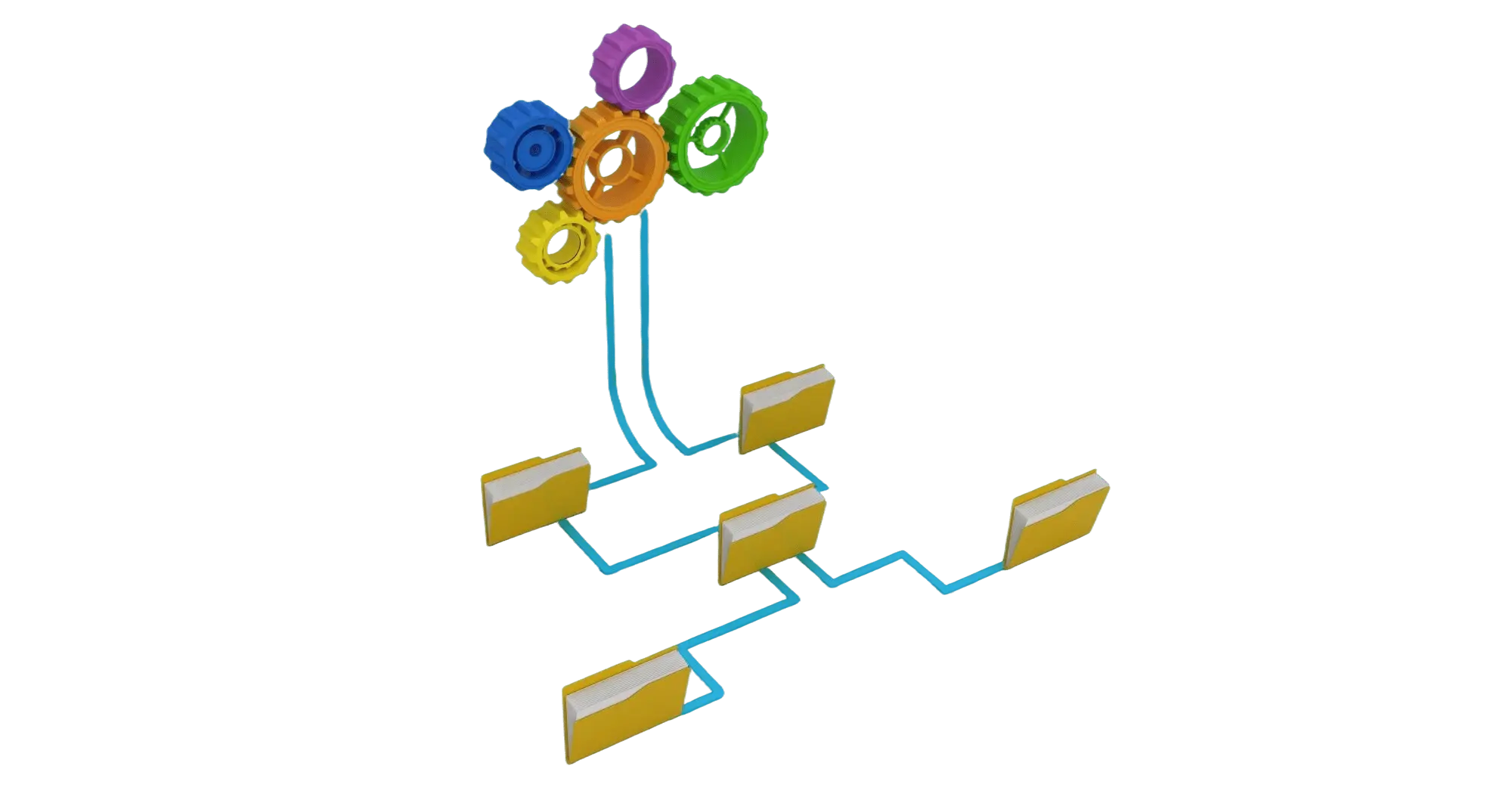
EDI integration connects internal systems with external business partners.
Typical connected systems include:
- ERP systems
- suppliers
- logistics providers
- marketplaces
- business partners
- external platforms
Business documents are exchanged in standardized formats, for example:
- EDIFACT
- X12
- XML
- JSON
- CSV
These documents are then translated into internal data structures and processed automatically.
📄 Typical EDI documents
EDI integrations usually cover several types of business documents.
Orders
Orders are automatically transmitted from the ERP or shop system to suppliers.
Order confirmations
Suppliers send confirmations back.
Shipping notifications
Shipping notifications inform about incoming deliveries.
Inventory updates
Suppliers can provide availability or stock information.
Invoices
Invoices are transmitted and processed automatically.
This enables complete supply chain processes to be automated.
🏗️ Typical system architecture
ERP System
│
├─ EDI Gateway / Integrationsschicht
│
├─ Lieferanten
├─ Logistikdienstleister
├─ Marktplätze
└─ Geschäftspartner
The integration layer handles tasks such as:
- document transformation
- protocol handling
- validation
- routing
- error handling
This allows systems to communicate reliably even when different formats are used.
🛒 EDI integration in eCommerce
In eCommerce, EDI is often used to automatically exchange orders, shipping notifications and inventory data between the shop, ERP system and suppliers.
Retailers and manufacturers commonly communicate via EDI with:
- suppliers
- distributors
- logistics partners
- marketplaces
A typical process might look like this:
- A product is sold in the online shop
- The ERP system automatically creates a purchase order
- The order is transmitted to the supplier via EDI
- The supplier sends a shipping notification
- The warehouse prepares the goods receipt
This automation significantly reduces manual work.
👉 Learn more: eCommerce Development
🧩 Integration with ERP systems
EDI rarely exists in isolation.
In most cases, EDI integration is closely connected to the ERP system.
Typical integrations include:
- automatic order creation
- invoice processing
- inventory synchronization
- shipping notifications
- communication with suppliers
This creates end‑to‑end processes between companies and business partners.
⚠️ Challenges in EDI projects
EDI projects are often more complex than initially expected.
Typical challenges include:
- different EDI standards
- partner-specific formats
- mapping between data models
- error handling
- monitoring and operations
Each business partner may have different requirements and document structures.
A stable EDI integration therefore requires flexible transformation and mapping logic.
🚀 Reliable and scalable EDI infrastructure
A professional EDI infrastructure must be stable and scalable.
Important aspects include:
- stable communication protocols
- automatic document validation
- error handling and retry mechanisms
- monitoring and logging
- flexible transformation and mapping
This ensures stable communication even when systems or partners change.
🧑💻 Our role in EDI projects
We support companies in building robust EDI integrations.
Typical tasks include:
- analyzing partner requirements
- designing the integration architecture
- implementing document mappings
- connecting ERP and backend systems
- configuring communication protocols
- monitoring and operating the integration
Our goal is simple:
Enable you to exchange business documents automatically and reliably with your partners.
👉 Talk to us about your project